
07 Apr, 2026
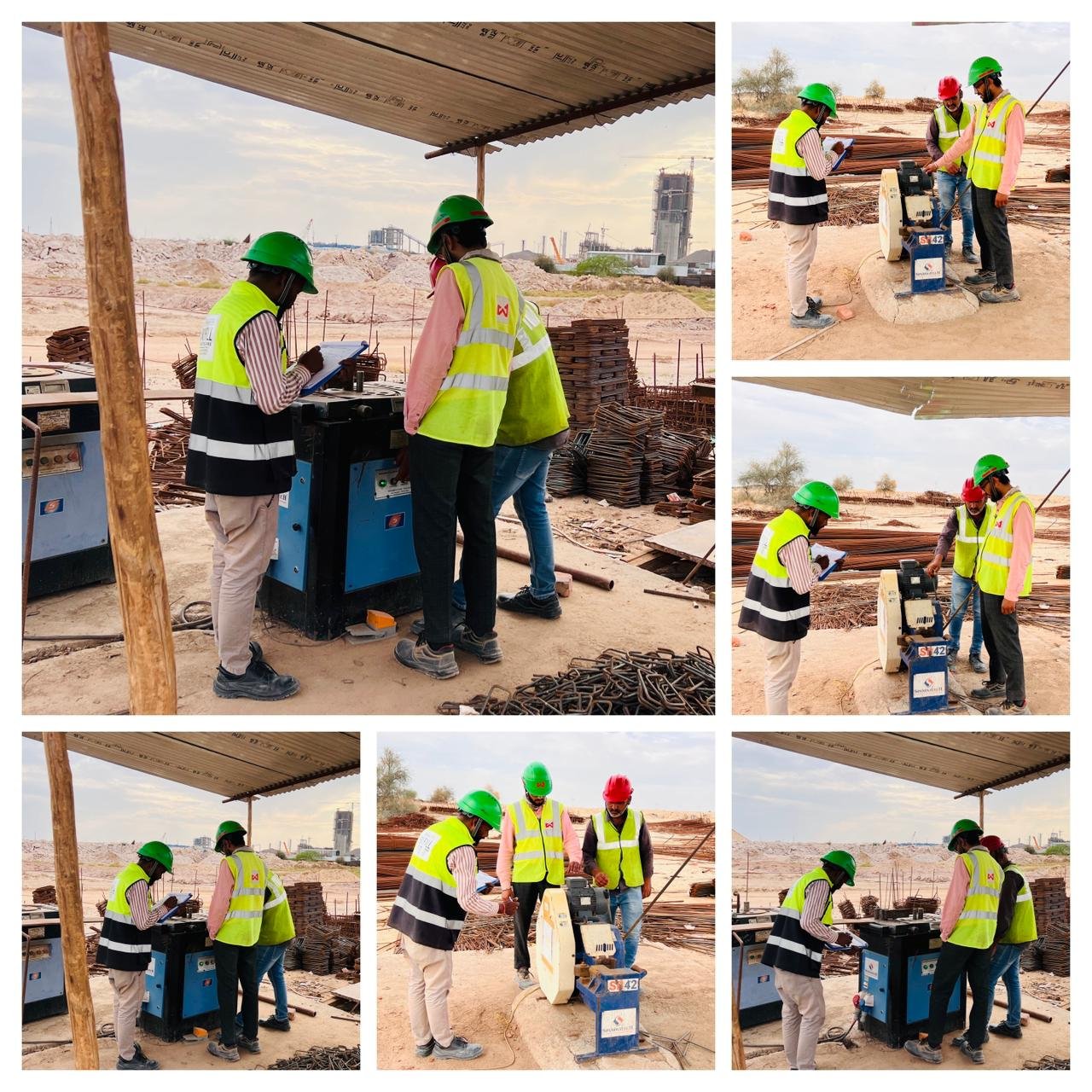
Introduction: In the construction industry, working at height is unavoidable—but accidents are. At Lemoon India, protecting our workforce is our top priority. On multi-story projects like the Bachelor Hostel, in collaboration with Skyfall Construction LLP, “Work at Height” is a critical topic in our daily Toolbox Talks (TBT). Here is an inside look at how we secure our high-altitude operations.
The Hazards of High-Elevation Work: Whether it is scaffolding erection, pouring concrete slabs, or the complex processes of shuttering and deshuttering, working above ground level presents severe risks. A momentary lapse in focus, an unstable platform, or an unsecured tool can lead to critical incidents. To combat this, we implement a strict “Zero Tolerance” policy for unsafe acts regarding height safety.
Our 3-Point Height Safety Protocol: Our HSE teams actively monitor the site to ensure these three non-negotiable rules are followed:
-
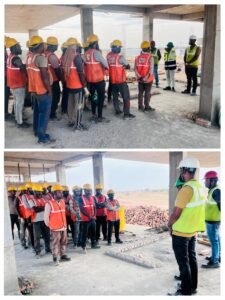
Mandatory Full-Body Harnesses: Standard safety belts are not enough. Every worker operating at height is equipped with a full-body harness. More importantly, we train our crew daily on how to identify and utilize secure, load-bearing anchoring points before beginning any task.
-
Rigorous Scaffolding Inspections: Scaffolding erection is treated as a highly technical task. Platforms must be fully planked, toe-boards installed to prevent tool drops, and guardrails secured. No worker steps onto a scaffold until it has been inspected and approved by an HSE officer.
-
Shuttering & Deshuttering Care: Forming concrete requires immense precision. We brief our teams daily on the specific hazards of assembling and dismantling formwork at height, ensuring controlled, synchronized movements to prevent structural slips.
Building Upward with Confidence: We don’t just talk about safety; we engineer it into our daily workflow. By maintaining strict protocols for harnesses, scaffolding, and structural work, Lemoon India ensures that as your building goes up, our safety standards rise right alongside it.

Have any Design
Support
contact
